
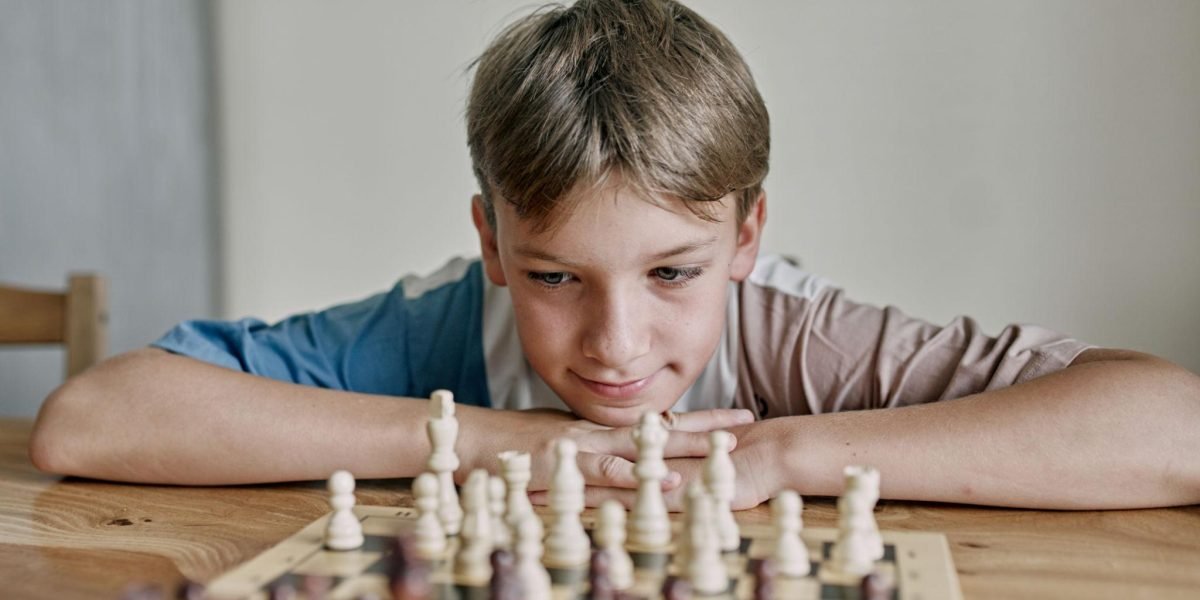
Vacations are exciting.
No school pressure. No homework stress. More free time. More fun.
But for chess students, holidays are also a huge opportunity.
A few weeks of smart training during vacations can improve:
tactics
concentration
confidence
calculation
tournament performance
The key is simple:
Train consistently, but enjoy the process.
Chess is not only a game — it develops critical thinking, memory, focus, patience, and decision-making skills in children.
Build a Simple Holiday Chess Routine
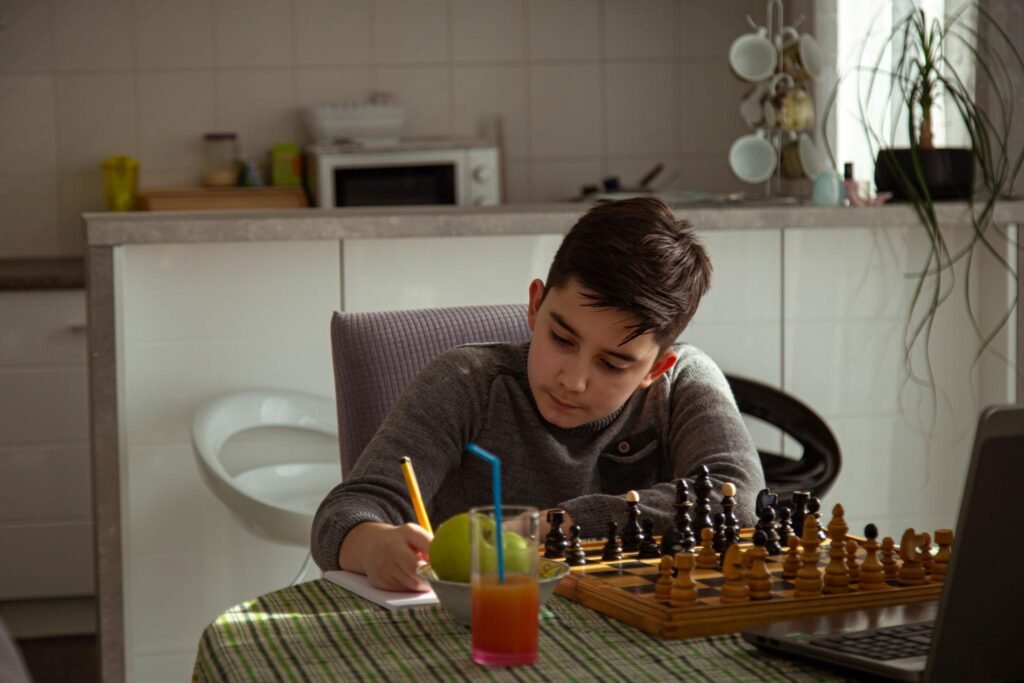
One of the biggest mistakes students make during vacations is:
either playing chess all day without learning,
or completely stopping chess for weeks.
Instead, create a balanced routine.
A great holiday chess routine could look like this:
| Activity | Time |
|---|---|
| Tactical puzzles | 20 mins |
| One serious game | 30 mins |
| Game analysis | 15 mins |
| Endgame study | 15 mins |
| Watch chess videos | 20 mins |
Even 1–2 focused hours daily can create massive improvement over time.
Consistency beats intensity.
Solve Tactical Puzzles Every Day
Tactics are the foundation of strong chess.
During vacations, students should practice:
forks
pins
skewers
discovered attacks
mating patterns
calculation exercises
Daily tactical training improves:
pattern recognition
visualization
concentration
calculation speed
Chess training also helps children improve focus and problem-solving abilities.
Analyze Your Own Games
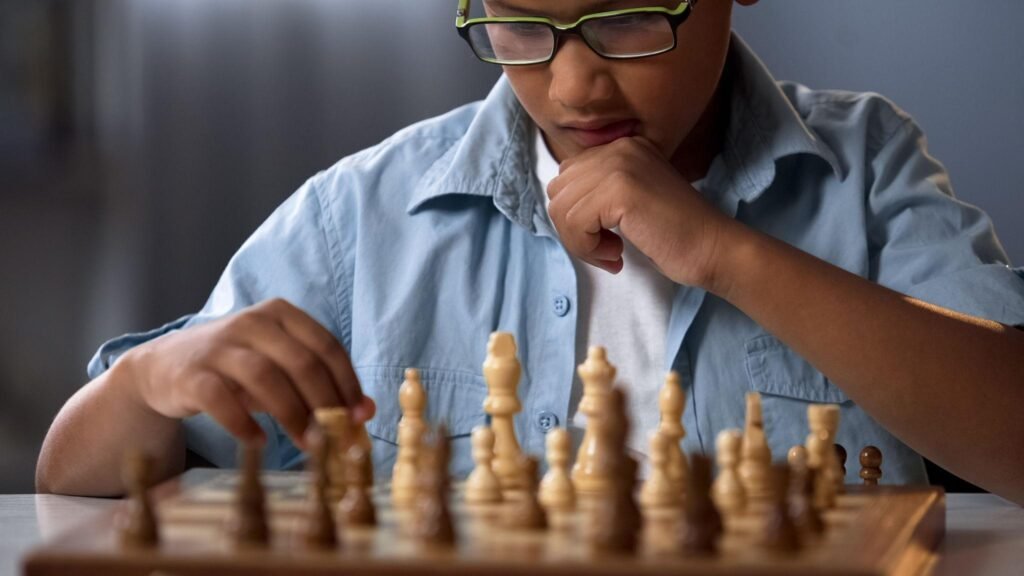
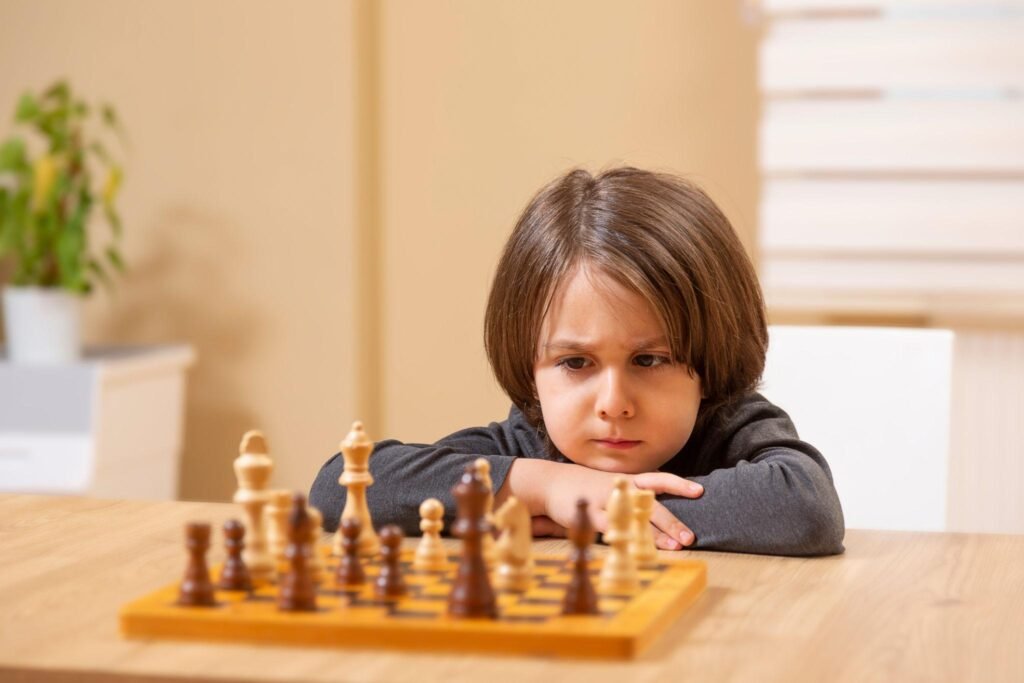
Most students only play games.
Strong students analyze them.
After every game:
find your mistakes
identify missed tactics
understand bad decisions
write down lessons
One analyzed loss can teach more than ten random wins.
Study Great Chess Players
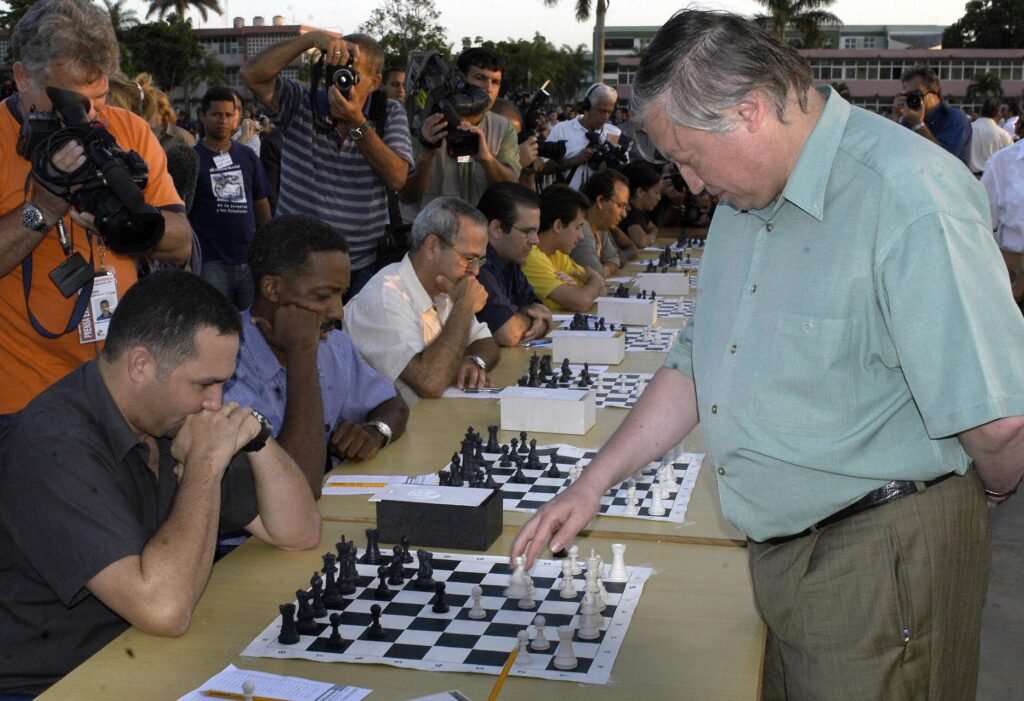
Vacations are the perfect time to study legends of chess.
Students can learn:
attacking chess from Mikhail Tal
positional play from Anatoly Karpov
endgames from José Raúl Capablanca
modern strategy from Magnus Carlsen
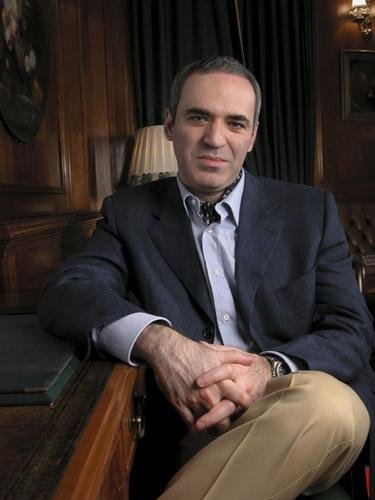
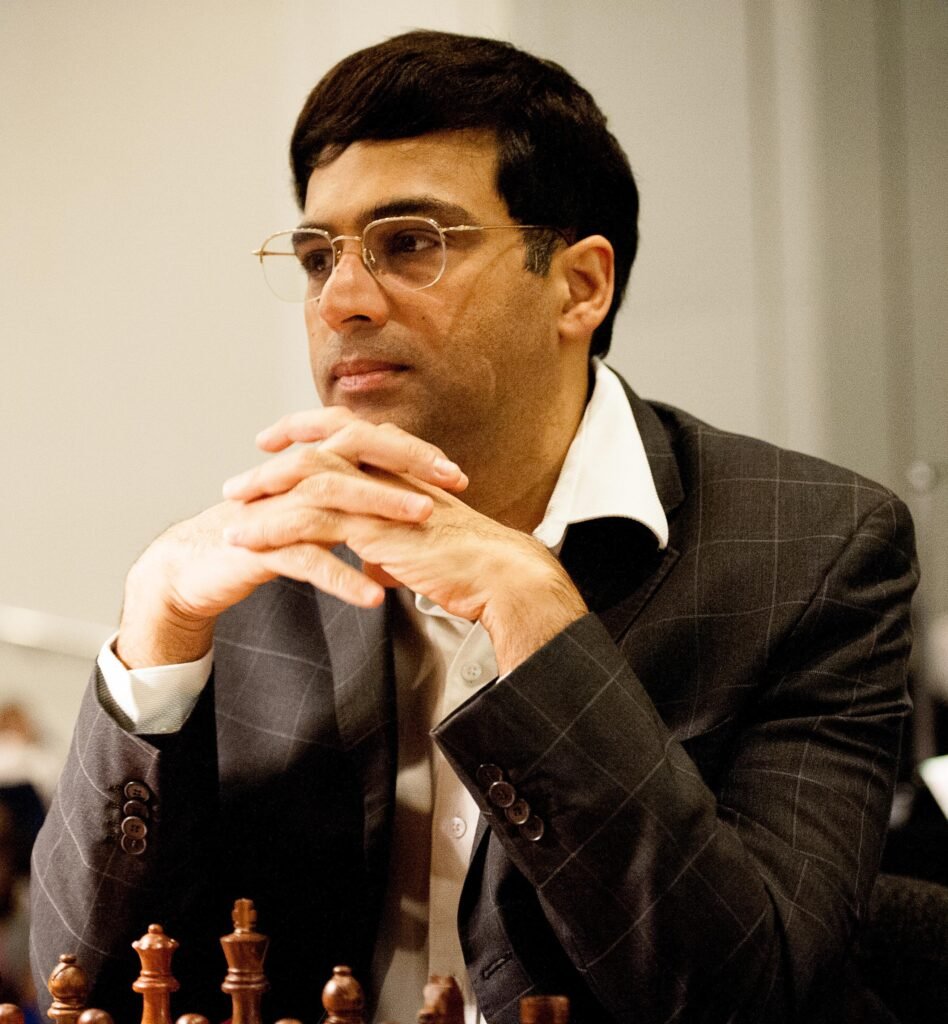
Watching master games helps students understand:
planning
attacking ideas
piece coordination
endgame technique
Play Longer Games, Not Only Blitz
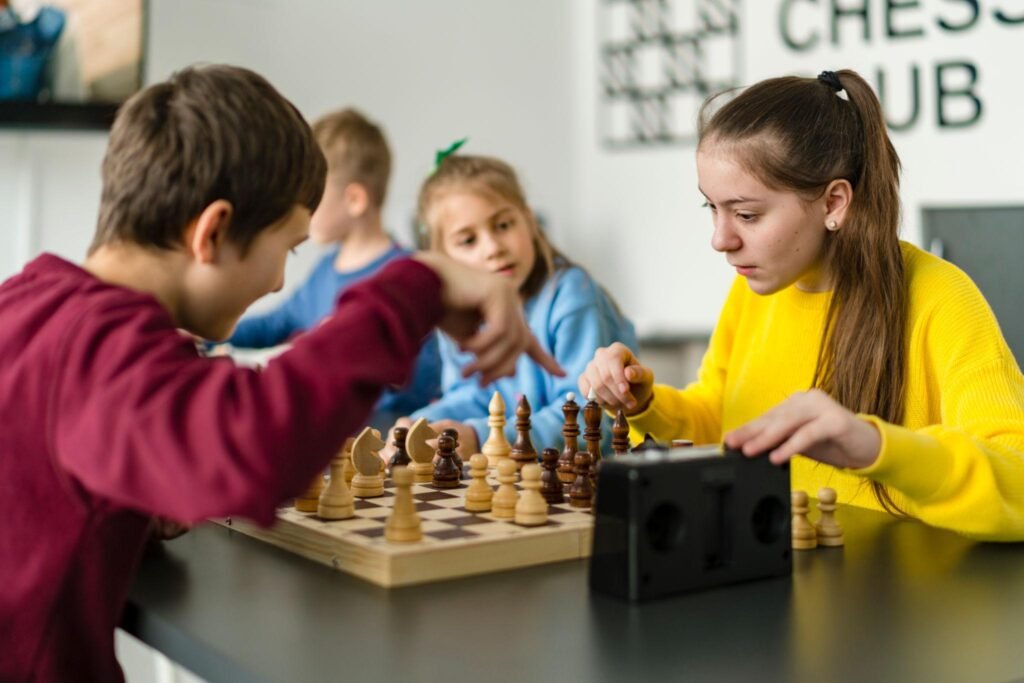
Blitz chess is fun.
But too much blitz creates bad habits:
moving instantly
poor calculation
careless blunders
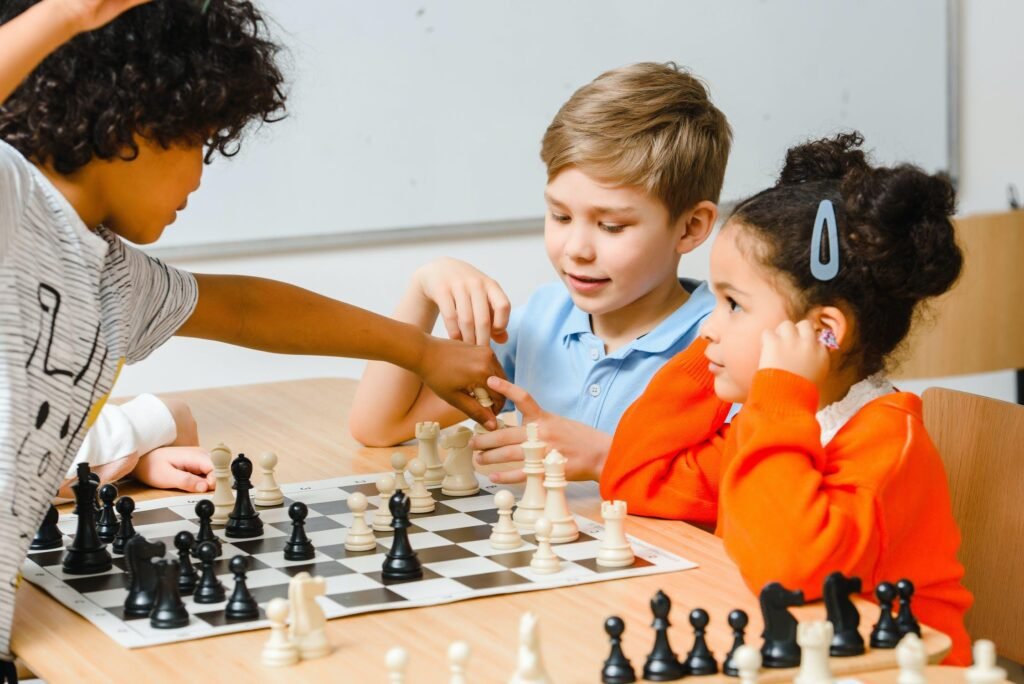
Vacations are the best time to practice:
Rapid games
Classical games
Tournament-style thinking
Longer games improve patience, discipline, and decision-making.
Improve Endgames
Most kids avoid endgames.
But endgames win tournaments.
Students should learn:
king and pawn endings
opposition
rook endgames
basic checkmates
converting winning positions
Strong endgame skills give confidence in close games.
Play Holiday Tournaments
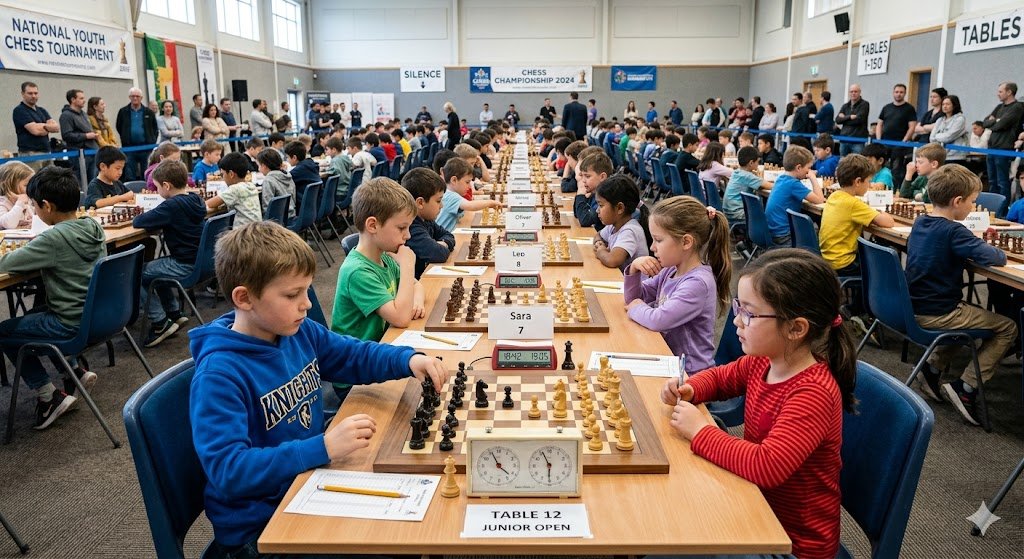
Holiday tournaments are one of the fastest ways to improve.
Tournaments teach:
emotional control
time management
fighting spirit
confidence
sportsmanship
Chess also helps children build resilience and learn from losses
Balance Chess with Fitness & Fun
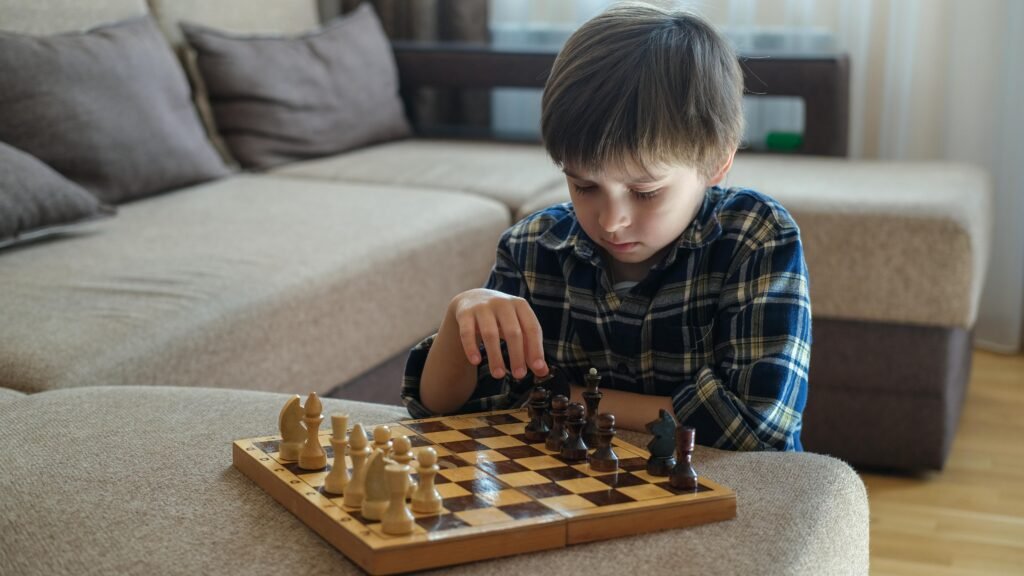
A strong chess brain needs:
proper sleep
exercise
healthy food
outdoor activity
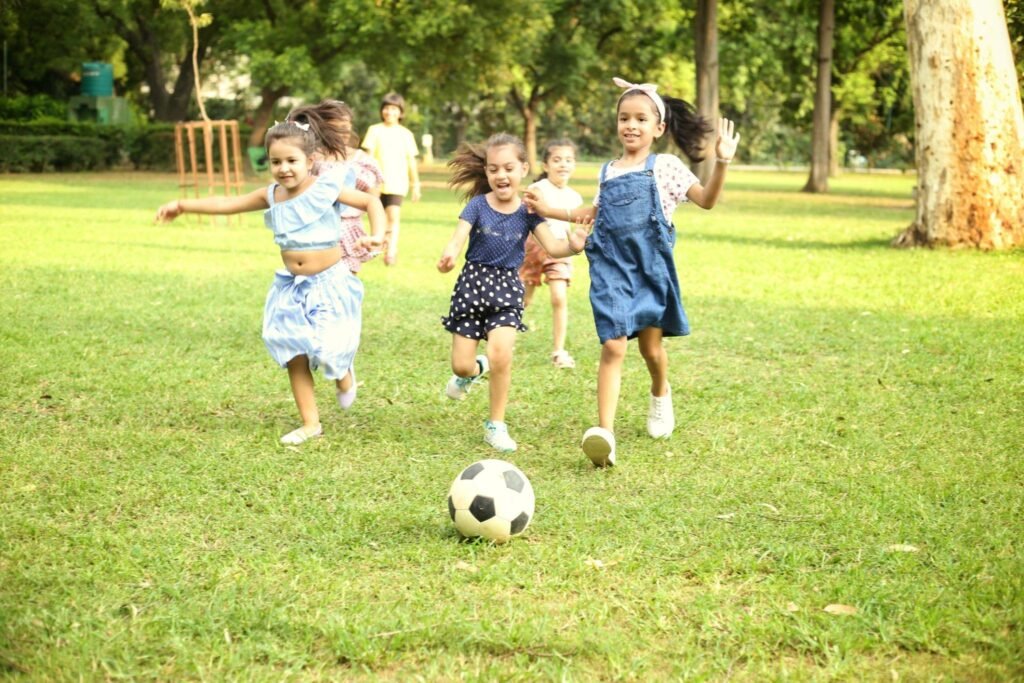
A tired mind cannot calculate well.
Balance is important.
Enjoy vacations.
Spend time with family.
Play outside.
Then come back to the board refreshed.
Final Message to ChessKidsNation Students ❤️
Vacations can become a turning point in your chess journey.
A few weeks of smart training can create huge improvement by the next tournament season.
Remember:
Small daily progress becomes massive long-term growth.
Train smart.
Stay curious.
Enjoy chess.
And come back stronger than ever. ♟️
Chess should feel like an adventure. Not punishment.
