

Losing is part of chess. Even world champions lose games regularly. The difference between improving players and stuck players is how they respond to those losses.
Strong players do not simply move on, blame bad luck, or check the engine for a quick answer. They follow a structured process that turns every defeat into a lesson.
At ChessKidsNation, this is one of the most important habits we teach our students. A well-analyzed loss can teach more than ten easy wins.
Why Analyzing Losses Matters
Opening gaps – You entered a position without understanding the ideas.
Tactical blind spots – You missed a threat, combination, or calculation detail.
Positional misunderstandings – You chose the wrong plan or piece placement.
Psychological mistakes – Time trouble, overconfidence, fear, or frustration affected decisions
Endgame weaknesses – You did not know the correct technique.
If you identify these patterns consistently, your training becomes targeted and efficient.
The 7-Step Method Strong Players Use
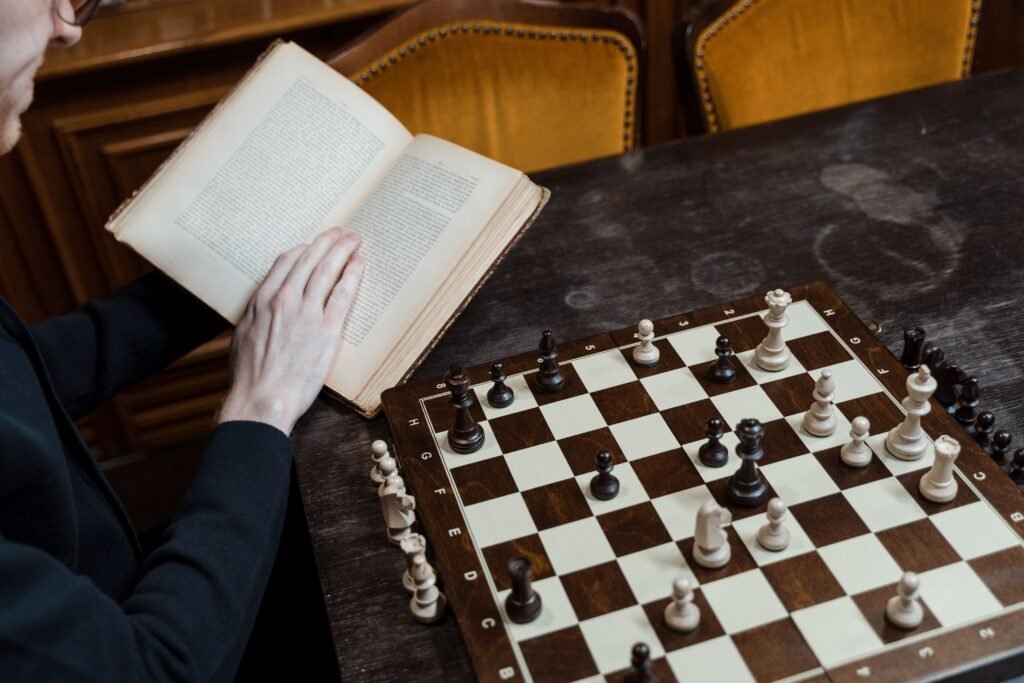
Replay the Game Without an Engine
Start by going through the game from beginning to end on a board or screen.
Ask yourself:
What was my plan in this position?
Where did I start feeling uncomfortable?
What was my opponent threatening?
Did I improve my position or just make moves?
Do not use Stockfish yet. The goal is to understand your thinking process, not the computer’s.
Why this matters: Engines show the best move, but improvement comes from understanding why you chose the wrong one
Record Your Immediate Thoughts
Right after the game, before checking an engine, write down:
This captures your real decision-making process. Engines cannot show what was happening in your head.
Identify the Critical Moments
Most games are decided by 2–4 key positions.
Mark the moments where:
the position changed sharply,
you missed a tactical opportunity,
you entered a bad endgame,
or your opponent’s plan became dominant.
These are your critical positions.
Tip: Write them down. Strong players keep notes like:
“Move 14: underestimated kingside attack”
“Move 27: rushed pawn break without calculation”
Example:
Move 28: You blunder a rook.
Move 18: You allowed your opponent to activate a knight and seize the initiative.
The mistake on move 18 is often the more important lesson.
Identify the Type of Error
Classify each critical mistake. This makes patterns visible over time.
Tactical – Missed fork, pin, mating threat
Strategic – Wrong pawn structure, poor plan
Opening – Forgot theory, misunderstood idea
Calculation – Stopped calculating too early
Time management – Spent too long on one move
Psychological – Played too aggressively or passively
One game may contain multiple error types.
Check with an Engine — But Use It Correctly
Only after your own analysis should you use an engine. The goal is not to memorize engine moves. The goal is to understand why your move was wrong.
For each critical position:
Look at the engine’s best move.
verify your calculations,
discover tactical ideas you missed, Compare it with your move and identify the difference in plans, activity, king safety, pawn structure
Ask: What idea does this move achieve?
Avoid copying engine lines blindly. Human understanding matters more than memorization.The engine is a teacher, not the final answer..
Create a Training Task
Turn the lesson into practice.
Examples:
Do 20 tactical puzzles involving forks.
Study games in the same opening.
Practice endgames with active king play.
Play training games with a time-management rule.
This step is what converts analysis into improvement.
A Simple Example
Game situation:
You played the Sicilian Defense.
By move 15, your king was still in the center.
Your opponent opened the e-file and launched an attack.
You lost after a tactical sequence.
Strong-player analysis:
Immediate note: “I delayed castling because I wanted to attack first.”
Critical moment: move 13, when castling was available.
Error type: strategic and king safety.
Engine insight: castling would have equalized; the attack was not dangerous yet.
Lesson: “In open positions, king safety is usually more urgent than starting an attack.”
Training task: review master games where one side is punished for delaying castling.
Notice that the key lesson is not the final tactic. It is the earlier strategic decision.
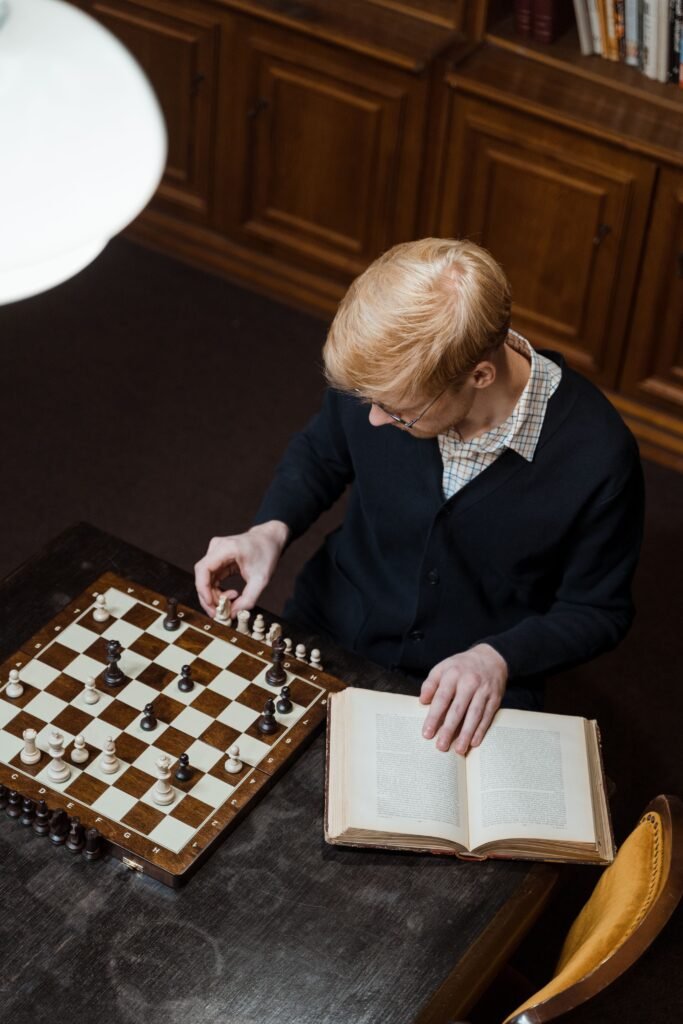
Common Mistakes Players Make When Analyzing
Checking the engine immediately – You skip the learning process.
Analyzing only blunders – Positional mistakes matter too.
Writing no notes – Patterns are forgotten.
Trying to memorize engine lines – Understanding is more important than memorization.
Getting emotional – Treat the game as data, not a judgment of your ability.
Final Thoughts
Losing is uncomfortable, but it is also one of the most valuable parts of chess improvement. Strong players do not avoid losses — they investigate them.
After your next game, try this sequence:
Write your thoughts.
Replay the game without an engine.
Find the first real mistake.
Classify the error.
Use the engine to understand the idea.
Do this consistently, and your losses will become the foundation of your future wins.
