
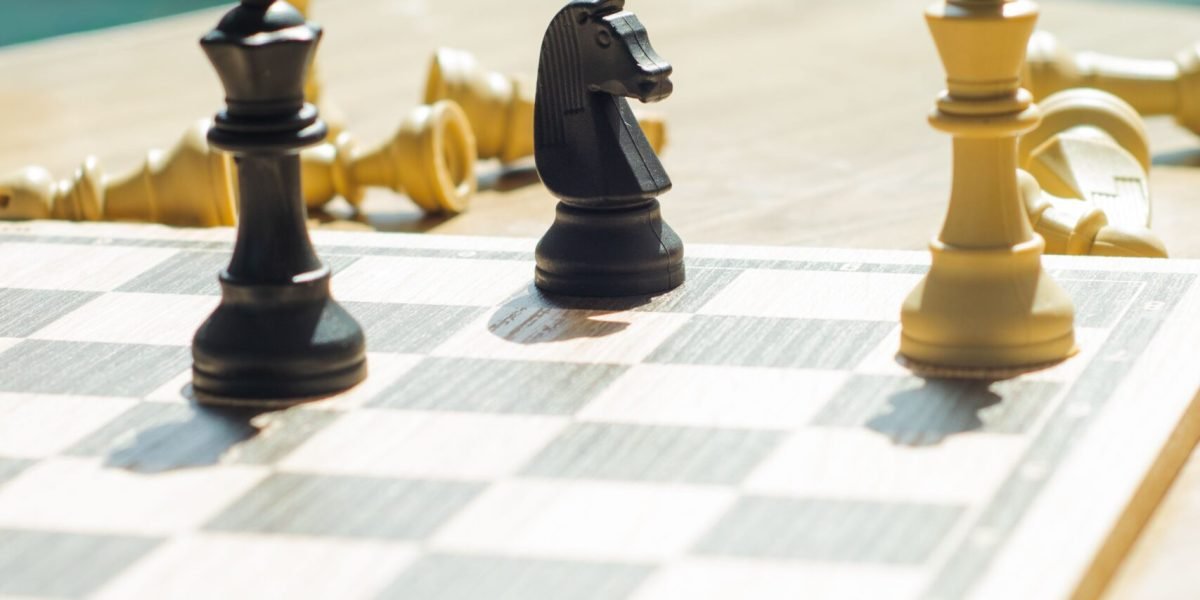
Chess isn’t just about memorizing openings—it’s about recognizing patterns and making smart decisions.
One of the fastest ways for young players to improve is by solving chess puzzles. Even spending just 15–20 minutes a day solving puzzles can dramatically improve tactical vision, calculation, and confidence over the board.
At ChessKidsNation, we encourage every student to solve puzzles regularly because tactics decide the majority of games at beginner and intermediate levels.
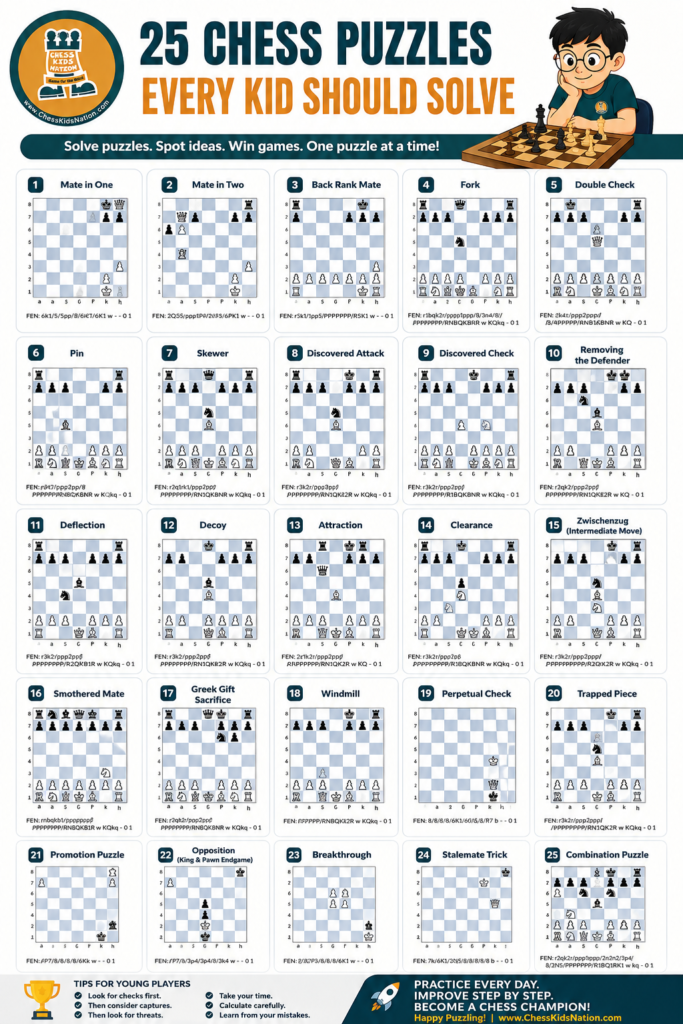
Why Chess Puzzles Matter
Chess puzzles help kids:
- Improve pattern recognition
- Develop calculation skills
- Spot tactical opportunities
- Avoid common mistakes
- Build confidence during games
- Increase chess rating faster
Remember: Strong players don’t just know more—they recognize more.
1. Mate in One
Every chess player should instantly recognize checkmate opportunities.
Goal: Deliver checkmate in one move.
Skill Developed:
- King safety
- Basic mating patterns
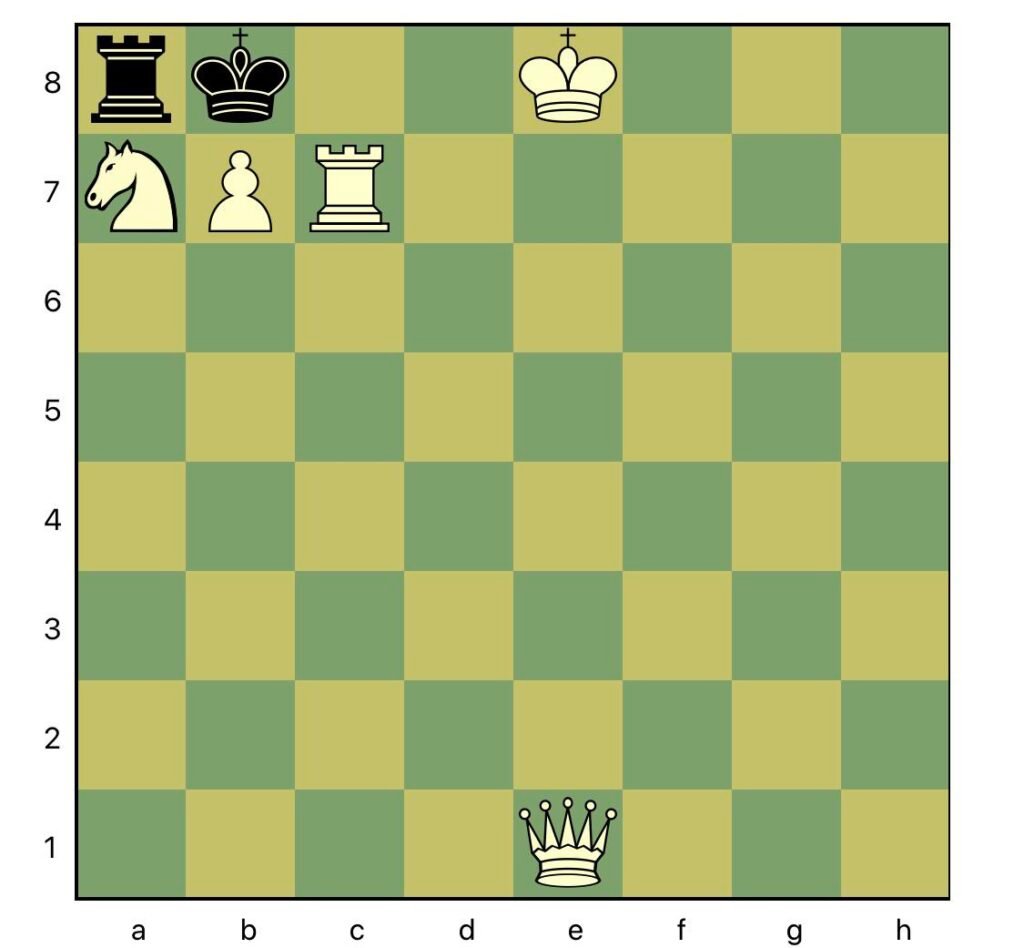
2. Mate in Two
Think one move ahead.
Your first move should create an unavoidable checkmate.
Skill Developed:
- Planning
- Visualization
3. Back Rank Mate
One of the most common tactical patterns.
When your opponent’s king has no escape squares because of their own pawns, a rook or queen can often deliver checkmate.
Look for:
- Trapped king
- Open file
- Active rook
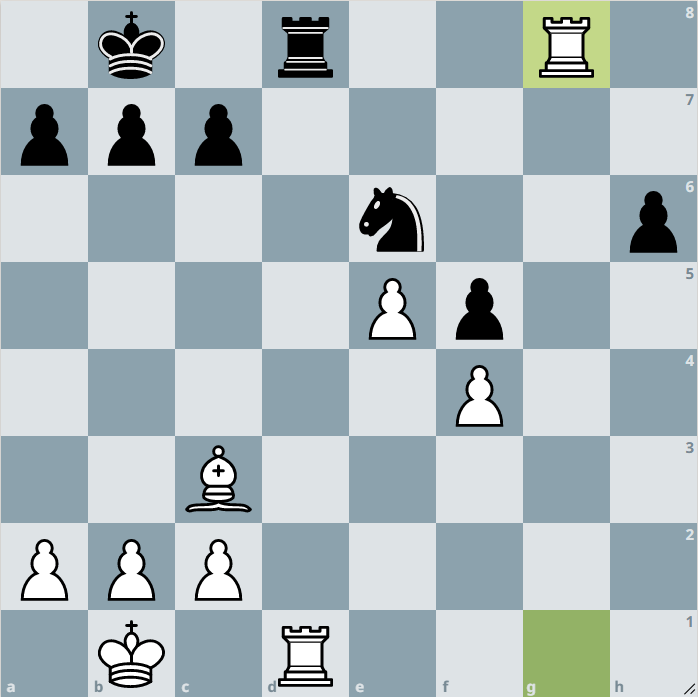
4. Fork
One piece attacks two or more pieces at once.
Knights are famous for forks, but queens and pawns can fork too.
Target:
Win material.
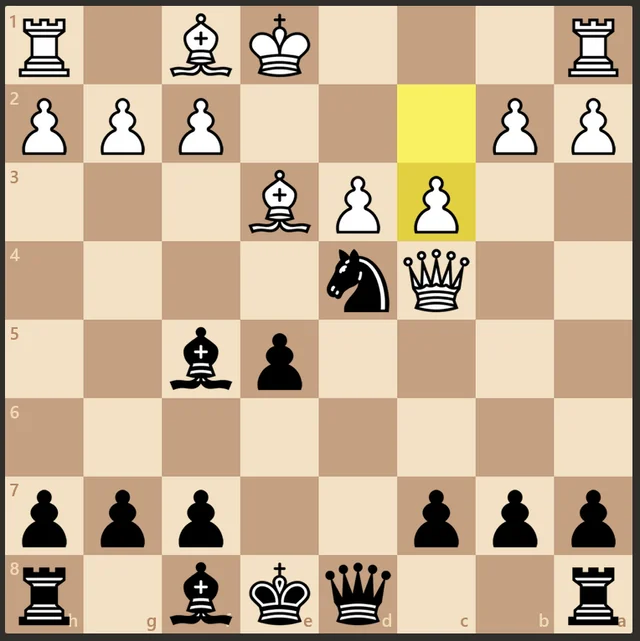
5. Double Check
Two pieces give check simultaneously.
The king must move.
This often leads to powerful attacks.
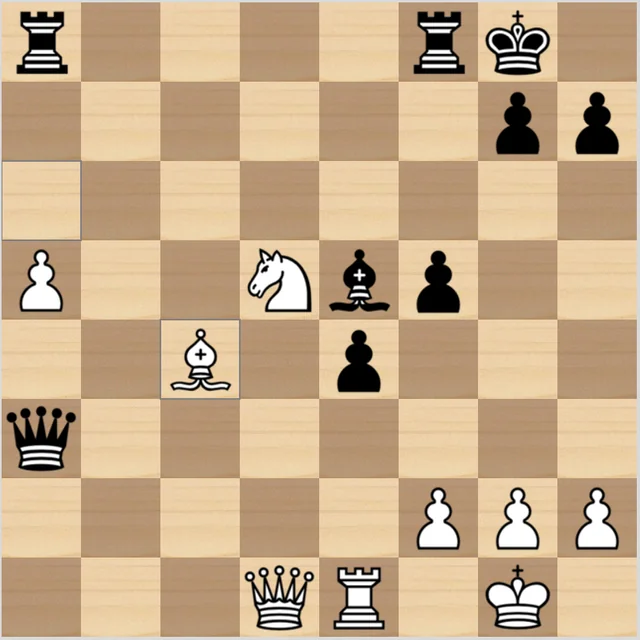
6. Pin
A pinned piece cannot move because something more valuable sits behind it.
Common examples:
- Bishop pins knight to queen
- Rook pins bishop to king
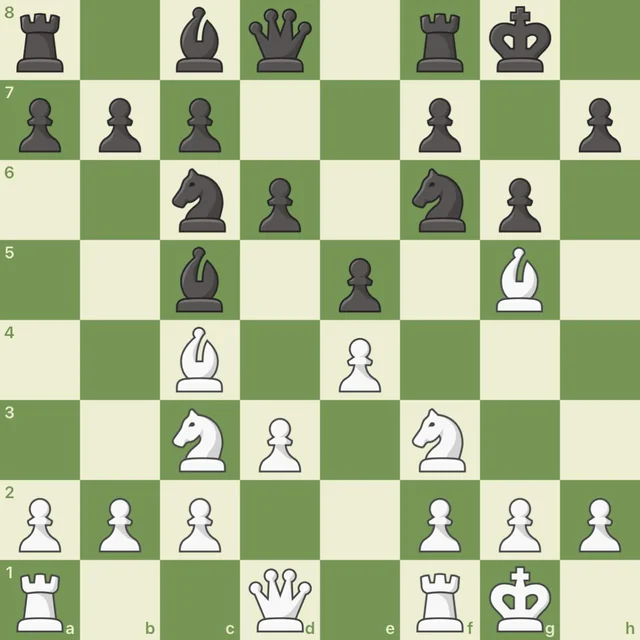
7. Skewer
Similar to a pin—but reversed.
Attack the valuable piece first.
When it moves, the smaller piece behind is lost.
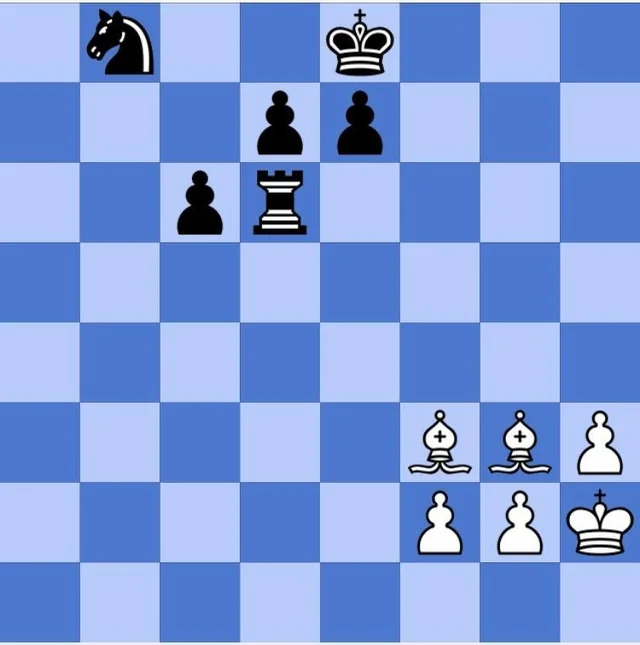
8. Discovered Attack
Move one piece.
Another hidden piece suddenly attacks.
This tactic surprises many opponents.
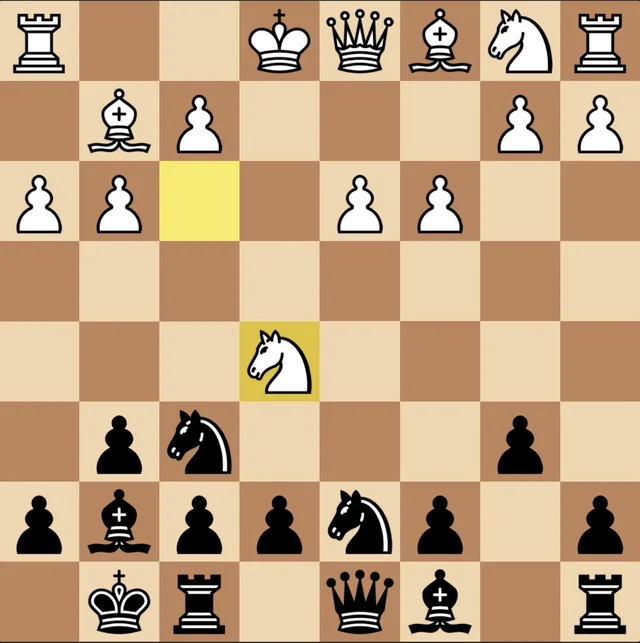
9. Discovered Check
One of the strongest attacks in chess.
Move a piece and reveal check from another.
Often wins material immediately.
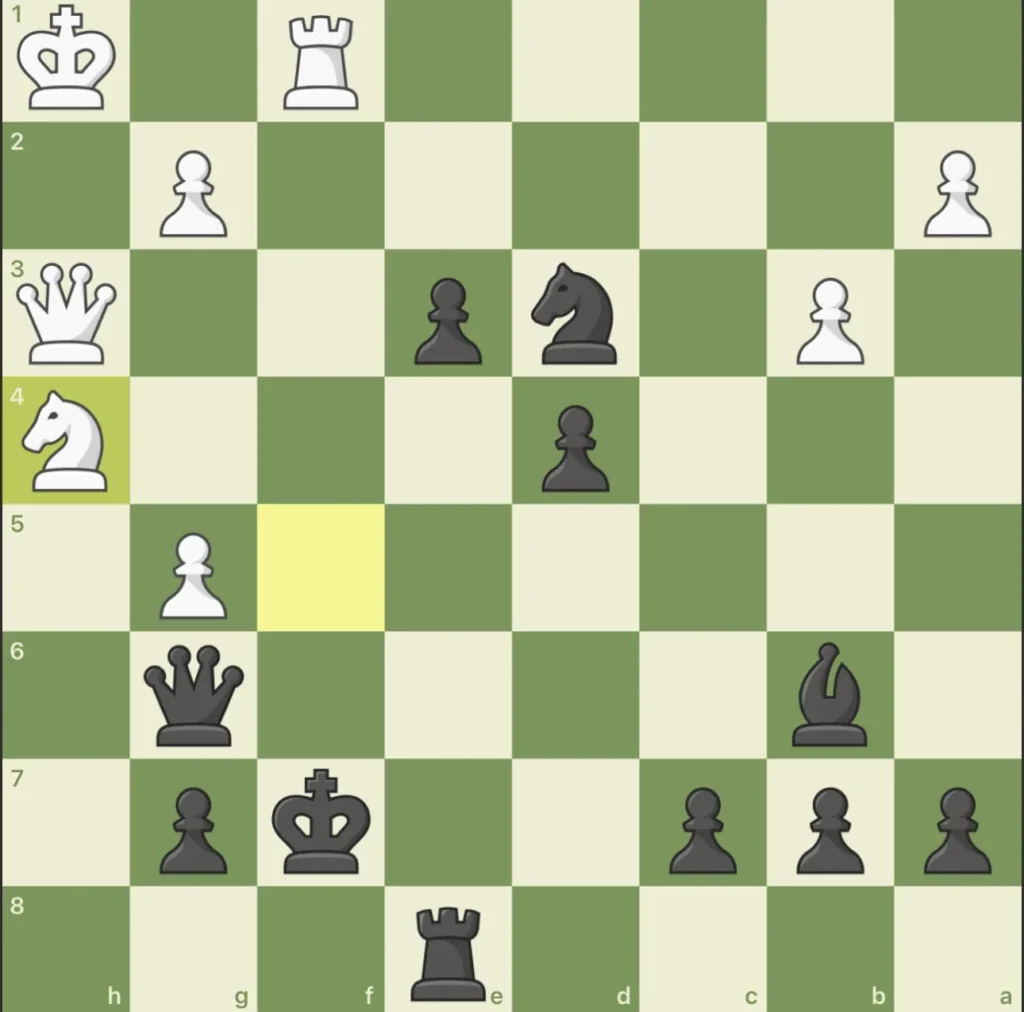
10. Removing the Defender
Find the defender.
Eliminate it.
Then win the target.
Professional players use this tactic constantly.
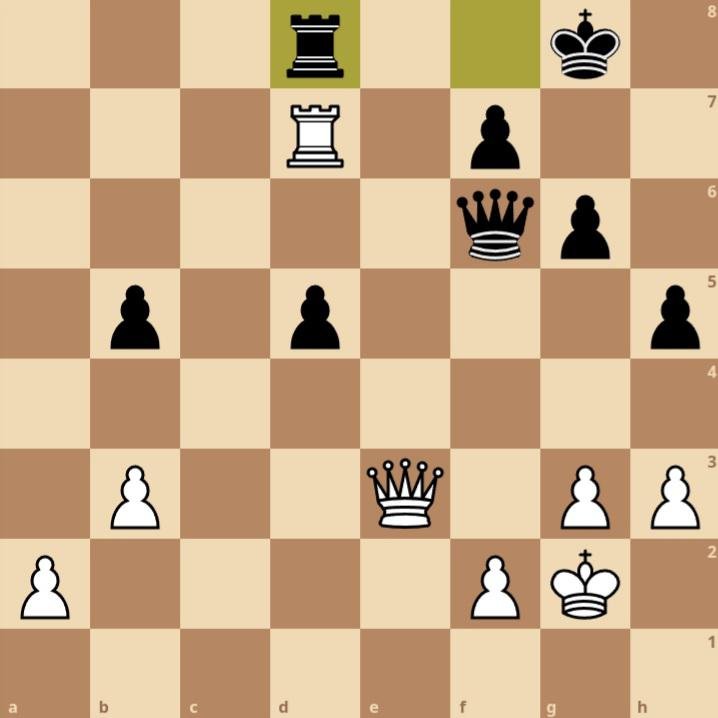
11. Deflection
Force a defending piece away from its important job.
Once distracted…
Capture!
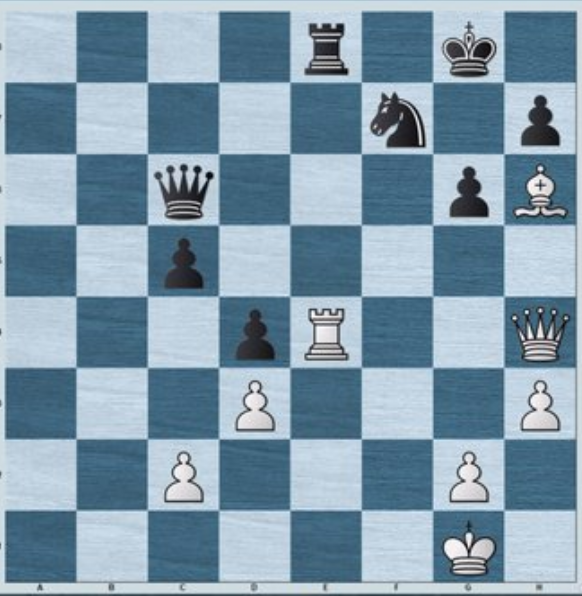
12. Decoy
Lure an opponent’s piece to the wrong square.
Then exploit the weakness.
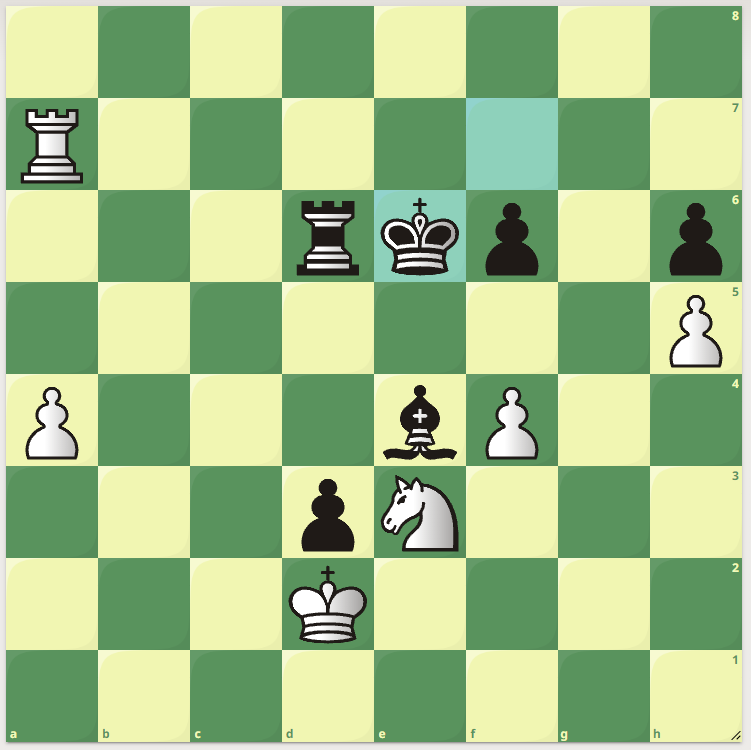
13. Attraction
Force the enemy king or queen onto a vulnerable square.
Powerful in attacking positions.
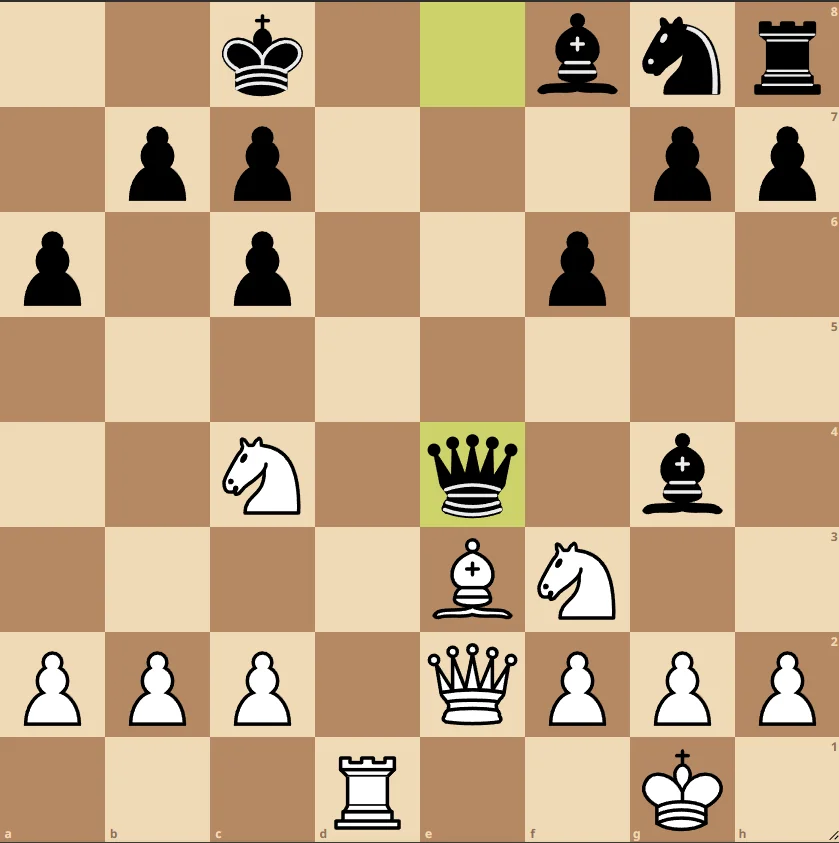
14. Clearance
Move one piece away to clear a line for another piece.
Simple idea.
Very effective.
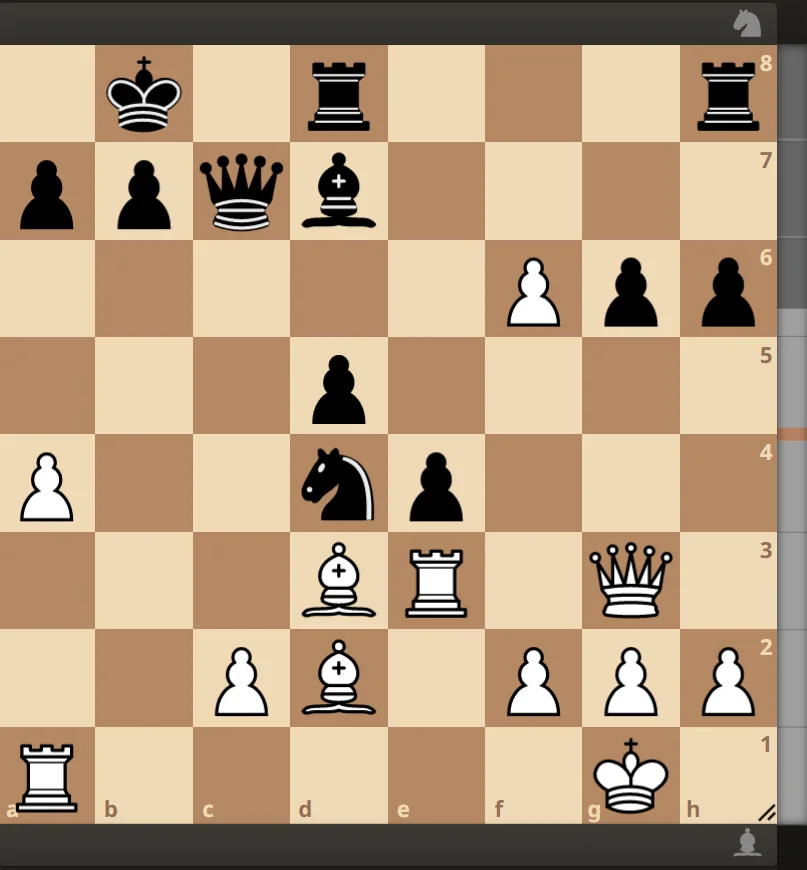
15. Zwischenzug (Intermediate Move)
Instead of making the expected move…
Play a stronger move first.
Then return to your original plan.
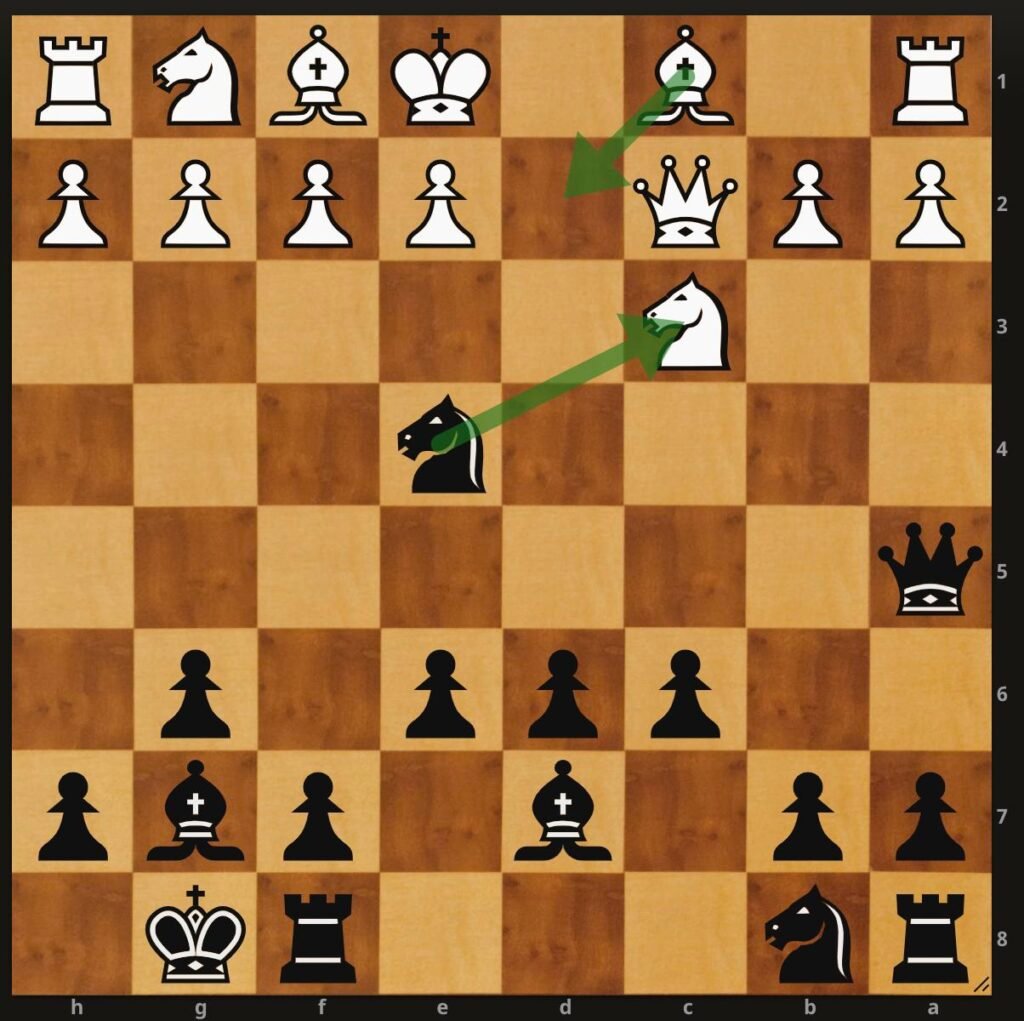
16. Smothered Mate
A knight delivers checkmate while the enemy king is trapped by its own pieces.
One of the most beautiful checkmates.
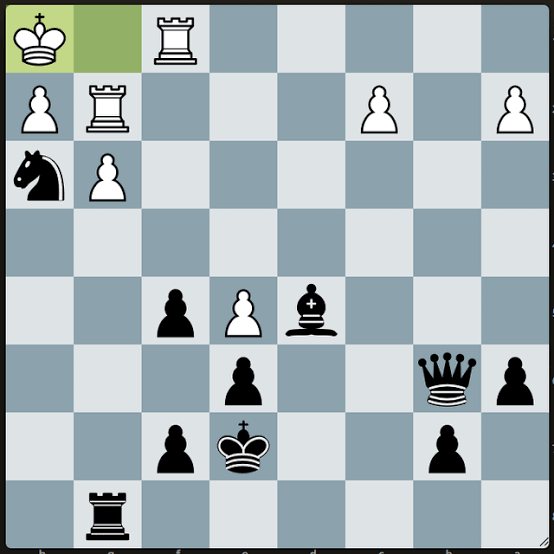
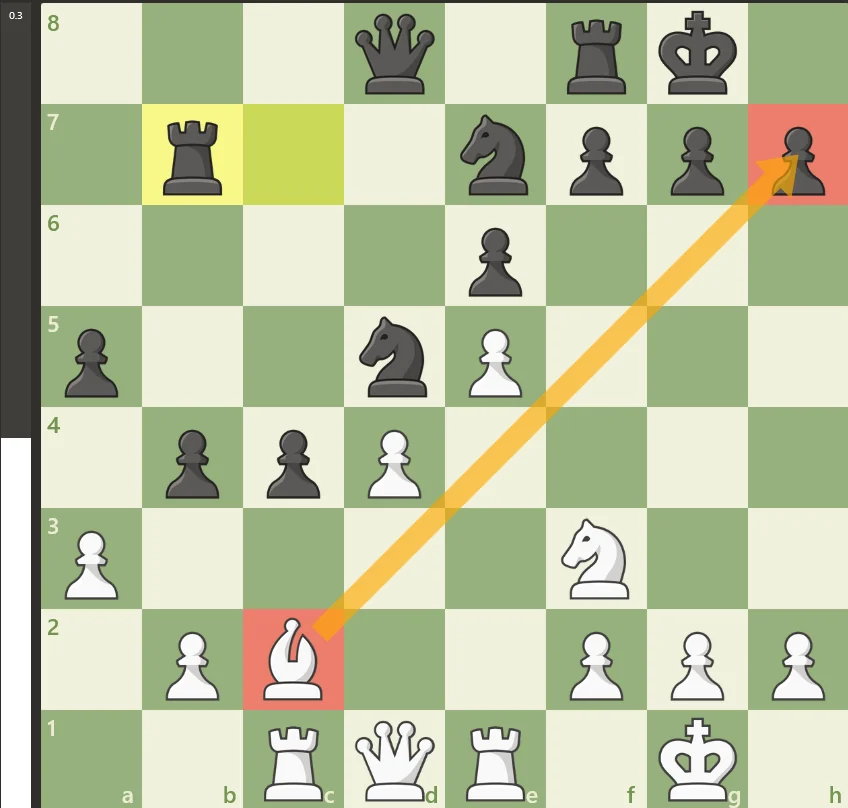
17. Greek Gift Sacrifice
Sacrifice a bishop on h7 (or h2).
Attack the exposed king.
Advanced but exciting to learn.
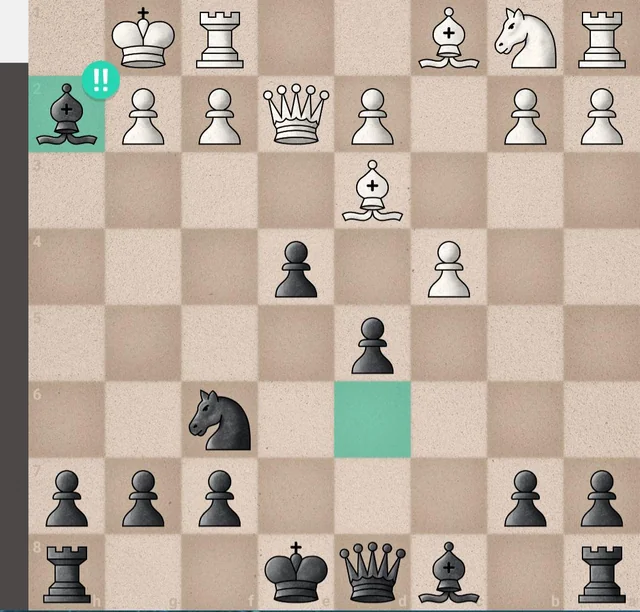
18. Windmill
Repeated discovered checks allow you to win several pieces.
Rare…
But unforgettable.
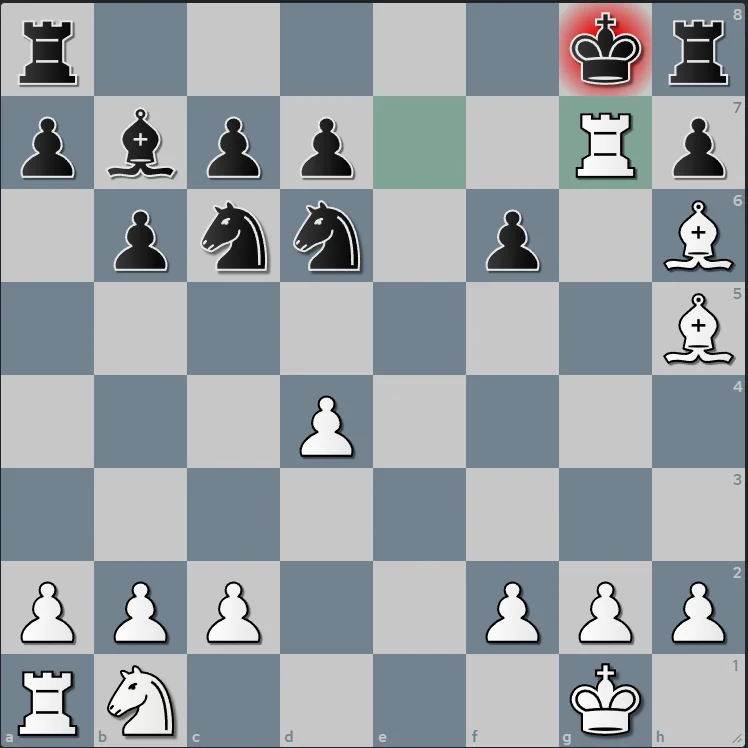
19. Perpetual Check
Sometimes you can’t win.
But you can draw!
Keep checking the king forever.
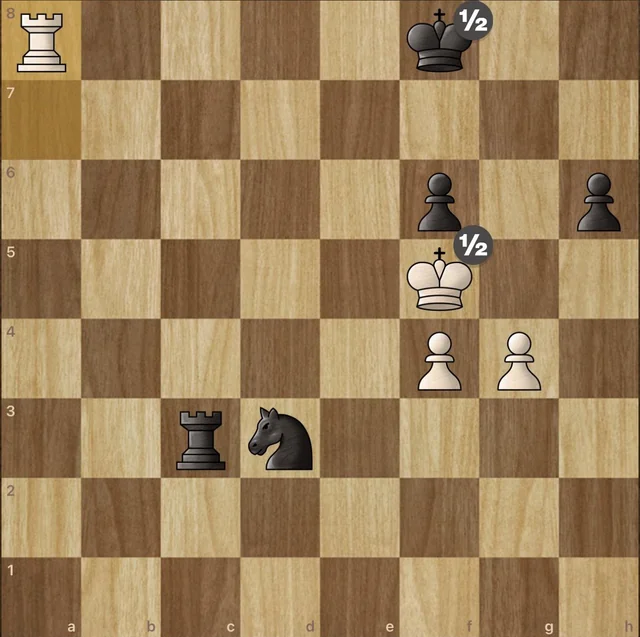
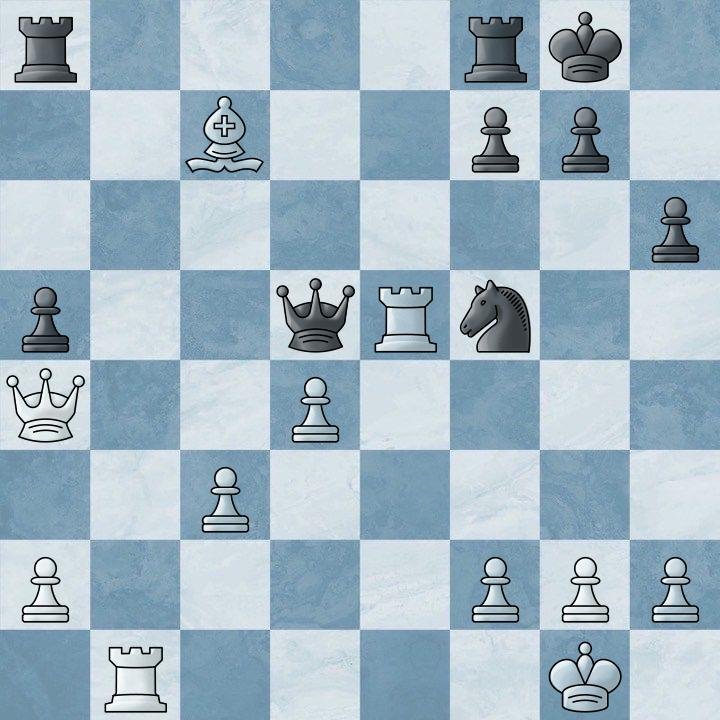
20. Trapped Piece
Notice when an opponent’s bishop, knight, rook, or queen has no safe squares.
Trap it.
Win material.
Queen Trapped in the Center
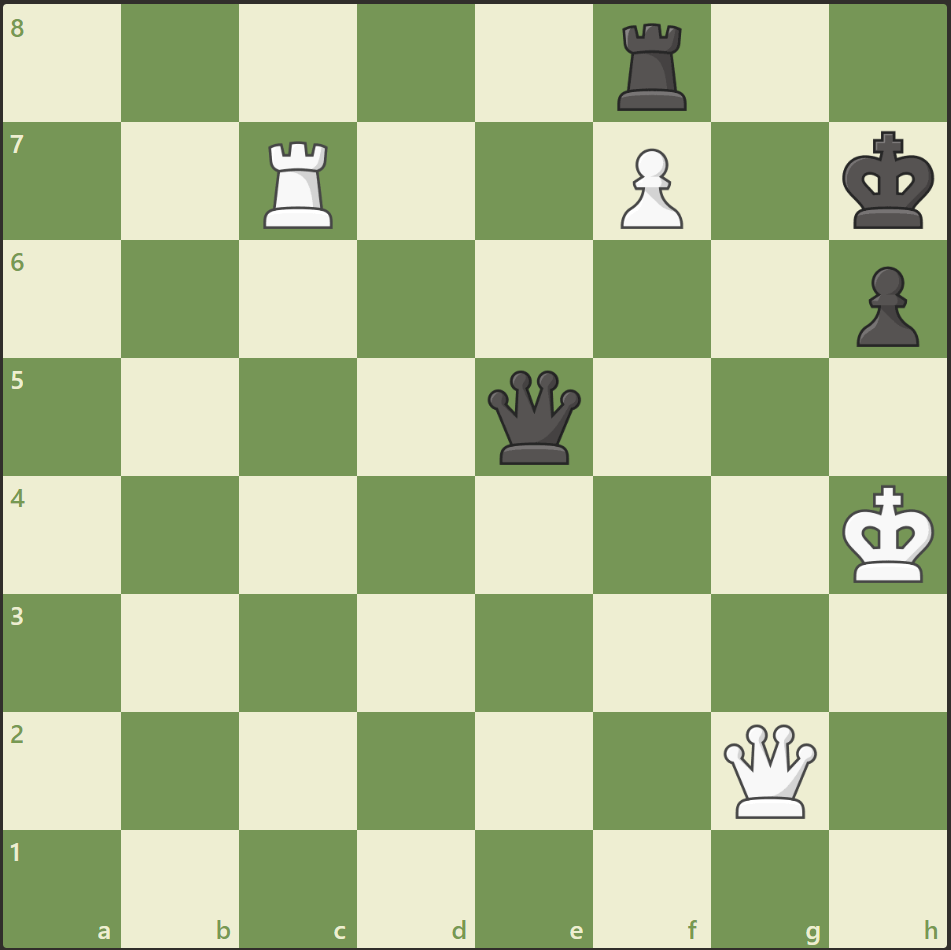
21. Promotion Puzzle
A pawn reaches the eighth rank.
Should you promote to a queen?
Sometimes a knight is better!
Learn underpromotion ideas.
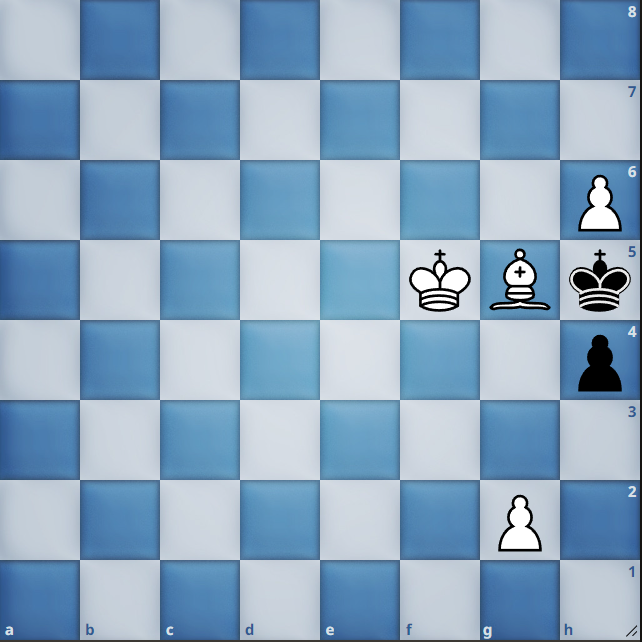
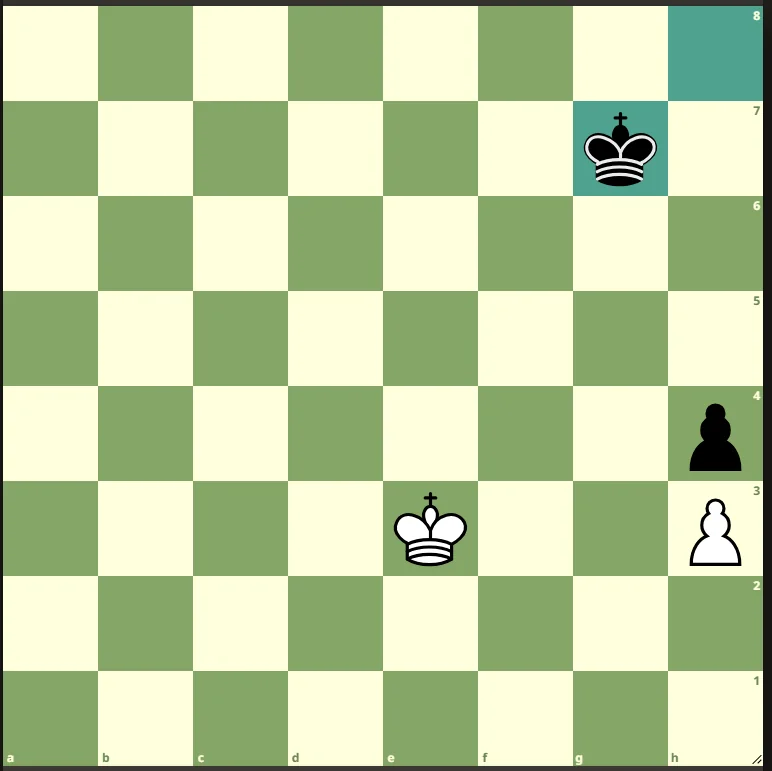
22. Opposition (King and Pawn Endgame)
Essential endgame knowledge.
Understanding opposition helps win many pawn endings.
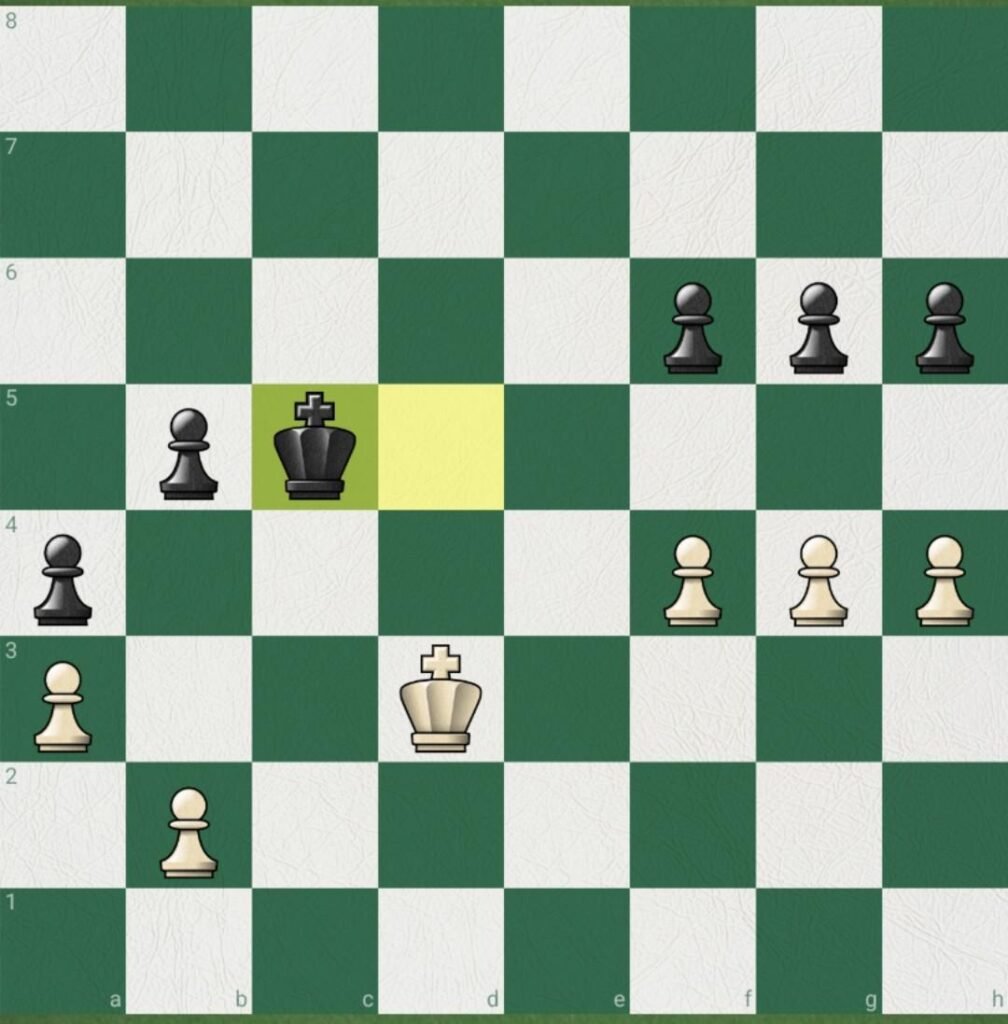
23. Breakthrough
Sacrifice pawns to create a passed pawn.
Very common in endgames.
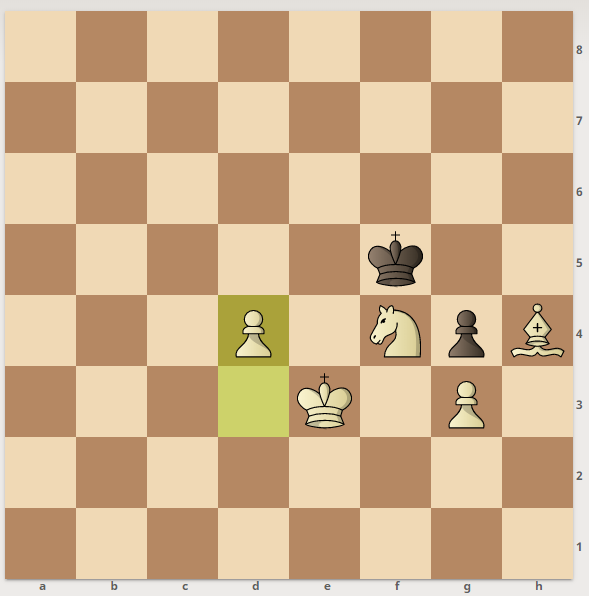
24. Stalemate Trick
Even in a losing position…
You may save the game by forcing stalemate.
Always keep looking!
25. Combination Puzzle
The best puzzles combine several tactical ideas:
- Fork
- Pin
- Sacrifice
- Mate
- Discovered attack
These puzzles teach real tournament thinking.
How to Practice Chess Puzzles
Here’s a simple daily routine:
Beginner
- 10 puzzles/day
- Spend up to 2 minutes on each
Intermediate
- 15–20 puzzles/day
- Analyze mistakes afterward
Advanced
- 20–30 challenging puzzles
- Focus on calculation, not guessing
Quality matters more than quantity.
Tips for Kids Solving Chess Puzzles
✔ Look for checks first.
✔ Then consider captures.
✔ Finally, search for threats.
✔ Don’t rush.
✔ Think like a detective.
✔ If you get it wrong, understand why before moving on.
Final Thoughts
Every chess champion started by learning simple tactical ideas.
Whether it’s a fork, a pin, a checkmate, or an endgame trick, each puzzle helps build stronger thinking skills and better decision-making.
At ChessKidsNation, we believe that consistent puzzle practice is one of the best ways for young players to improve while having fun.
Challenge yourself to solve a few puzzles every day, and you’ll soon notice better moves, greater confidence, and stronger tournament results.
Happy puzzling—and see you on the chessboard!
