
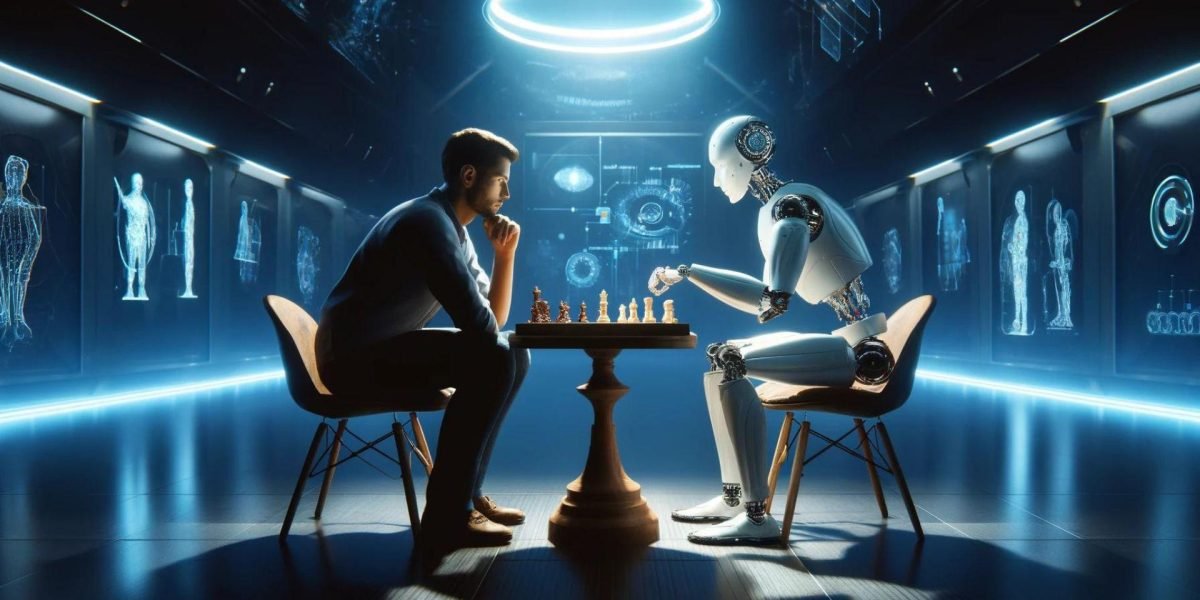
The Battle Between Human Imagination and Machine Precision
For decades, chess was considered the ultimate battle of human creativity. Sacrifices, brilliant attacks, positional masterpieces, and unexpected ideas made the game feel like art. Then came Artificial Intelligence.
Today, engines like Stockfish and Leela Chess Zero analyze millions of positions instantly. They rarely blunder. They see tactical ideas humans miss. They prepare opening lines 30 moves deep. Many chess fans now ask a serious question:
Is AI ruining creative chess?
The answer is complicated.
AI has absolutely changed chess forever — but whether it has ruined creativity depends on how players choose to use it.
Chess Before AI
Before engines dominated the game, players relied heavily on intuition, preparation, and human.
Legends like Mikhail Tal, Garry Kasparov, and Bobby Fischer became famous for their unique styles.
Tal sacrificed pieces for attacks nobody fully understood.
Fischer created deep opening ideas through personal analysis.
Kasparov mixed calculation with dynamic creativity.
Human imagination was at the center of chess culture.
But modern AI engines changed everything.
How AI Changed Chess
AI engines are now stronger than every human player ever born.
According to recent analysis, modern engines outperform even peak-level grandmasters by hundreds of Elo points.
Today’s players use AI for:
Opening preparation
Endgame analysis
Tactical training
Finding hidden resources
Discovering new opening ideas
At elite level chess, preparation has become incredibly deep.
Many grandmasters now memorize engine-approved lines far into the middlegame. Some critics argue this makes top-level chess feel robotic and less human.
The “Draw Death” Fear
One major criticism is that AI pushes chess toward perfection.
When both players know engine lines deeply, games can become extremely accurate and often end in draws.
This fear became famous after the 2018 World Championship between Magnus Carlsen and Fabiano Caruana, where all classical games ended in draws.
Some people believed chess was becoming “solved.”
But something unexpected happened instead.
AI Also Created New Creativity
AI didn’t just make chess more accurate.
It also introduced completely new ideas.
When Google’s AlphaZero shocked the chess world, players saw sacrifices and positional concepts that engines from previous generations never considered. Many grandmasters described AlphaZero’s style as surprisingly artistic and “human-like.”
AI showed players:
Long-term sacrifices
Positional exchange sacrifices
King attacks with quiet moves
Creative pawn structures
New opening concepts
Instead of killing creativity, AI expanded the understanding of what creative chess could look like.
Modern players now explore strange openings, rare pawn pushes, and unconventional strategies inspired by engines.
Humans Became More Unpredictable
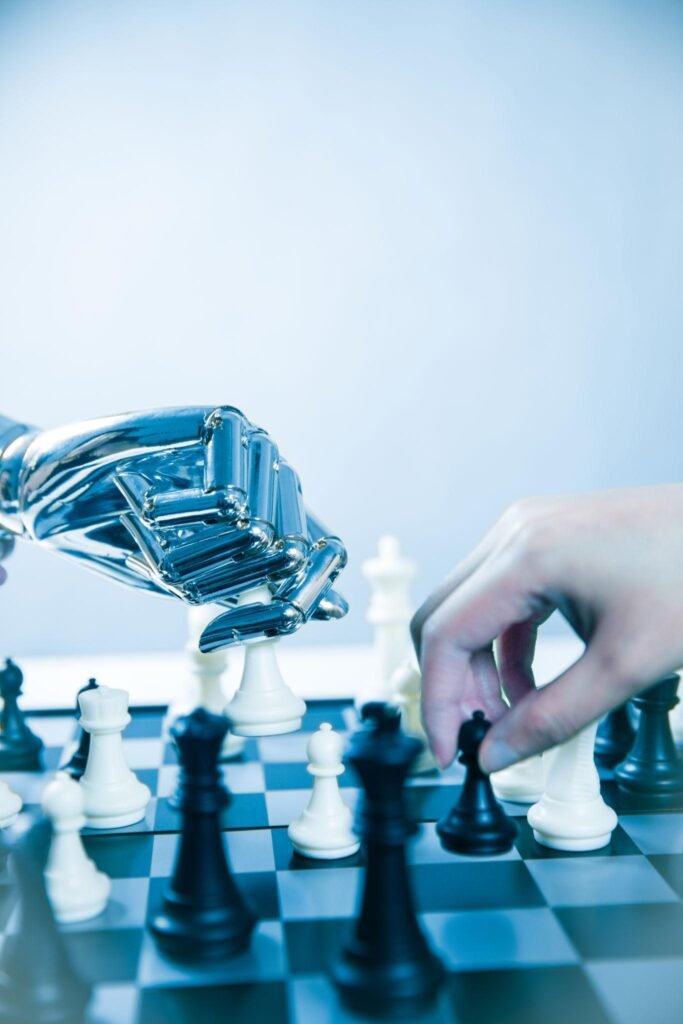
Ironically, AI may have forced humans to become more creative.
Since engines know “best moves,” top players now intentionally avoid perfect computer lines to create practical problems for opponents.
Recent reports suggest elite players increasingly use surprise weapons and psychologically difficult positions rather than engine perfection alone
Modern chess is becoming:
Less about memorization alone
More about adaptability
More psychological
More practical
Human creativity did not disappear.
It evolved.
The Biggest Problem: Dependency
The real danger is not AI itself.
The danger is over-dependence.
Many young players now:
Instantly check engines after every game
Memorize moves without understanding ideas
Trust computer evaluations blindly
Avoid independent analysis
This can reduce original thinking.
If players stop asking:
“Why is this move good?”
and only ask:
“What does Stockfish say?”
then creativity suffers.
Chess improvement becomes mechanical instead of imaginative.
That is where AI can truly damage creative chess.
AI and Chess Cheating
Another major issue is cheating.
Powerful engines make online cheating easier than ever. Many chess platforms now use advanced anti-cheat systems to detect suspicious play
This has created:
Distrust in online games
Increased paranoia
Fair-play controversies
Pressure on tournament organizers
For many players, this is a bigger threat than AI affecting creativity itself.
Can AI Replace Human Chess?
Absolutely not.
Engines may play better moves, but humans still create stories.
Fans do not watch chess only for perfect accuracy.
They watch for:
Nerves
Time pressure
Fighting spirit
Psychological battles
Human mistakes
Brilliant ideas under pressure
A machine may find the best move instantly.
But only humans can create emotional chess moments.
That is why players still admire legends like Magnus Carlsen, Viswanathan Anand, and Hikaru Nakamura — not because they are perfect, but because they are human.
Final Verdict
Can AI ruin creative chess?
Not entirely.
AI can make chess:
More theoretical
More engine-driven
More memorization-heavy
But it also:
Revealed deeper beauty in chess
Inspired new strategic ideas
Expanded human understanding
Pushed players toward originality
Creative chess only dies if humans stop thinking for themselves.
The best players today do not simply copy engines.
They learn from them — then create something uniquely human over the board.
And that is why creative chess is still alive.
