
A New Generation is Changing the Game
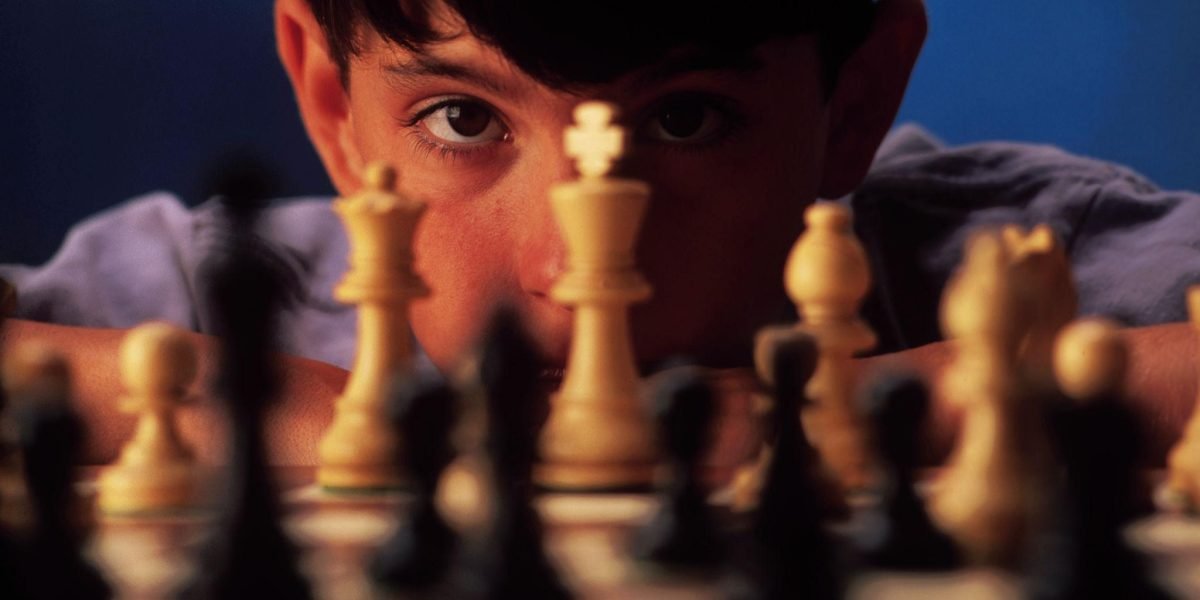
In today’s chess world, it’s becoming common to see teenagers competing at the highest levels. Players in their early teens are not only earning titles but also defeating experienced professionals.
In fact, the age at which players achieve the prestigious Grandmaster title has dropped significantly over time. Research shows that the average age for becoming a grandmaster has fallen dramatically compared to previous decades, highlighting how quickly young players are rising today.
Even more impressive, some of the youngest grandmasters in history have achieved the title at just 12 years old, setting new benchmarks for future generations.
Are Kids Actually Dominating Chess?
The honest answer is: Not completely—but they are taking over fast.
The statistics for young players in 2026 are staggering. We are no longer talking about “future stars”; these are current titans.
Yagiz Kaan Erdogmus: At just 14 years old, the Turkish phenom recently became the youngest player in history to cross the 2700 Elo threshold. To put that in perspective, 2700 is the “Super Grandmaster” benchmark that many professional players spend a lifetime trying to reach.
Gukesh Dommaraju: Still in his late teens, Gukesh has already established himself as a dominant force, winning the Candidates and challenging for the world title, proving that age is no longer a prerequisite for world-class nerves.
The 2600 Club: Players like Ivan Zemlyanskii (13) and Faustino Oro (10) are reaching milestones that used to be reserved for seasoned veterans in their late 20s.
Decoding the Psychology, Timing, and Technology Behind Why This Is Happening Now?
The “dominance” of youth in 2026 isn’t a fluke. It’s the result of a perfect storm of technology and access.
The Engine Revolution
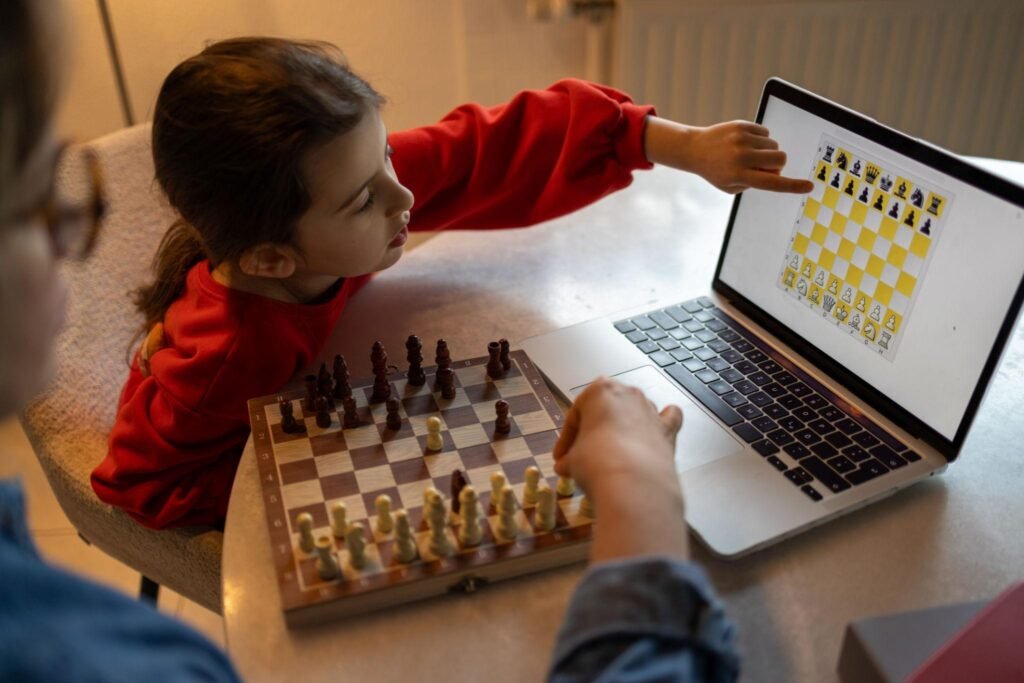
In the past, a prodigy needed a world-class coach to learn the nuances of the game. Today, every 10-year-old with a laptop has access to Stockfish or Leela Chess Zero. These AI engines are stronger than any human in history. Young players use them to analyze millions of positions, internalizing “superhuman” patterns before they even hit puberty.
This rise is driven by:
- Increased awareness of chess
- Better coaching infrastructure
- Inspiration from past champions
High-Speed Experience
Through platforms like Chess.com and Lichess, a teenager can play more games in a single year than a Grandmaster from the 1970s played in a decade. This “compressed experience” means their tactical vision is sharpened at an incredibly accelerated rate.
The Challenges Behind the Success
While the rise of prodigies is exciting, it also comes with challenges:
High pressure at a young age
Intense competition
Risk of burnout
Balancing education and chess
Not every prodigy becomes a world champion. Sustaining success over time requires discipline, mental strength, and long-term support.
Final Thoughts
So, are kids dominating chess now?
Not entirely—but they are changing the game faster than ever before.
The next world champion might not be a veteran with decades of experience. It might be a teenager who is already training, competing, and improving every single day.
While veterans still hold the crown of experience, the ceiling for young talent has been shattered. We are entering an era where being a Grandmaster at 12 is impressive, but being a Super Grandmaster at 14 is the new gold standard.
For fans, this is the most exciting time to watch the game. We are watching a generation that doesn’t fear the old guard—they just want to checkmate them.
The honest answer is: Not completely—but they are taking over fast.
Some Facts
Young players are reaching elite levels earlier than ever
Teenagers are competing with top grandmasters
The future of chess clearly belongs to this generation
Experience, mental strength, and consistency still matter at the highest level
The Bottom Line: We are witnessing a era where “experience” is being replaced by “hyper-preparation.” The crown is heavy, and the teenagers are the ones coming to claim it.
♟️ The future of chess isn’t coming—it’s already here.
